The process that produces brown rice removes only the outermost layer, the hull, of the rice kernel and is the least damaging to its nutritional value. The complete milling and polishing that converts brown rice into white rice destroys 67% of the vitamin B3, 80% of the vitamin B1, 90% of the vitamin B6, half of the manganese, half of the phosphorus, 60% of the iron, and all of the dietary fiber and essential fatty acids. Fully milled and polished white rice is required to be “enriched” with vitamins B1, B3 and iron.
Health Benefits
Why Brown–But Not White–Rice is One of the World’s Healthiest Foods
The difference between brown rice and white rice is not just color! A whole grain of rice has several layers. Only the outermost layer, the hull, is removed to produce what we call brown rice. This process is the least damaging to the nutritional value of the rice and avoids the unnecessary loss of nutrients that occurs with further processing. If brown rice is further milled to remove the bran and most of the germ layer, the result is a whiter rice, but also a rice that has lost many more nutrients. At this point, however, the rice is still unpolished, and it takes polishing to produce the white rice we are used to seeing. Polishing removes the aleurone layer of the grain–a layer filled with health-supportive, essential fats. Because these fats, once exposed to air by the refining process, are highly susceptible to oxidation, this layer is removed to extend the shelf life of the product. The resulting white rice is simply a refined starch that is largely bereft of its original nutrients.
Our food ranking system qualified brown rice as an excellent source of manganese, and a good source of selenium, phosphorus, copper, magnesium, and niacin (vitamin B3). The complete milling and polishing that converts brown rice into white rice destroys 67% of the vitamin B3, 80% of the vitamin B1, 90% of the vitamin B6, half of the manganese, half of the phosphorus, 60% of the iron, and all of the dietary fiber and essential fatty acids. By law in the United States, fully milled and polished white rice must be “enriched” with vitamins B1, B3, and iron. But the form of these nutrients when added back into the processed rice is not the same as in the original unprocessed version, and at least 11 lost nutrients are not replaced in any form even with rice “enrichment.”
Health Benefits
Why Brown–But Not White–Rice is One of the World’s Healthiest Foods
The difference between brown rice and white rice is not just color! A whole grain of rice has several layers. Only the outermost layer, the hull, is removed to produce what we call brown rice. This process is the least damaging to the nutritional value of the rice and avoids the unnecessary loss of nutrients that occurs with further processing. If brown rice is further milled to remove the bran and most of the germ layer, the result is a whiter rice, but also a rice that has lost many more nutrients. At this point, however, the rice is still unpolished, and it takes polishing to produce the white rice we are used to seeing. Polishing removes the aleurone layer of the grain–a layer filled with health-supportive, essential fats. Because these fats, once exposed to air by the refining process, are highly susceptible to oxidation, this layer is removed to extend the shelf life of the product. The resulting white rice is simply a refined starch that is largely bereft of its original nutrients.
Our food ranking system qualified brown rice as an excellent source of manganese, and a good source of selenium, phosphorus, copper, magnesium, and niacin (vitamin B3). The complete milling and polishing that converts brown rice into white rice destroys 67% of the vitamin B3, 80% of the vitamin B1, 90% of the vitamin B6, half of the manganese, half of the phosphorus, 60% of the iron, and all of the dietary fiber and essential fatty acids. By law in the United States, fully milled and polished white rice must be “enriched” with vitamins B1, B3, and iron. But the form of these nutrients when added back into the processed rice is not the same as in the original unprocessed version, and at least 11 lost nutrients are not replaced in any form even with rice “enrichment.”
Here are some of the ways in which the nutrients supplied by brown rice can make an important difference in your health:
Manganese—Energy Production Plus Antioxidant Protection
Manganese helps produce energy from protein and carbohydrates and is involved in the synthesis of fatty acids, which are important for a healthy nervous system, and in the production of cholesterol, which is used by the body to produce sex hormones. Manganese is also a critical component of a very important antioxidant enzyme called superoxide dismutase. Superoxide dismutase (SOD) is found inside the body’s mitochondria (the oxygen-based energy factories inside most of our cells) where it provides protection against damage from the free radicals produced during energy production. Information taken from WHfoods.com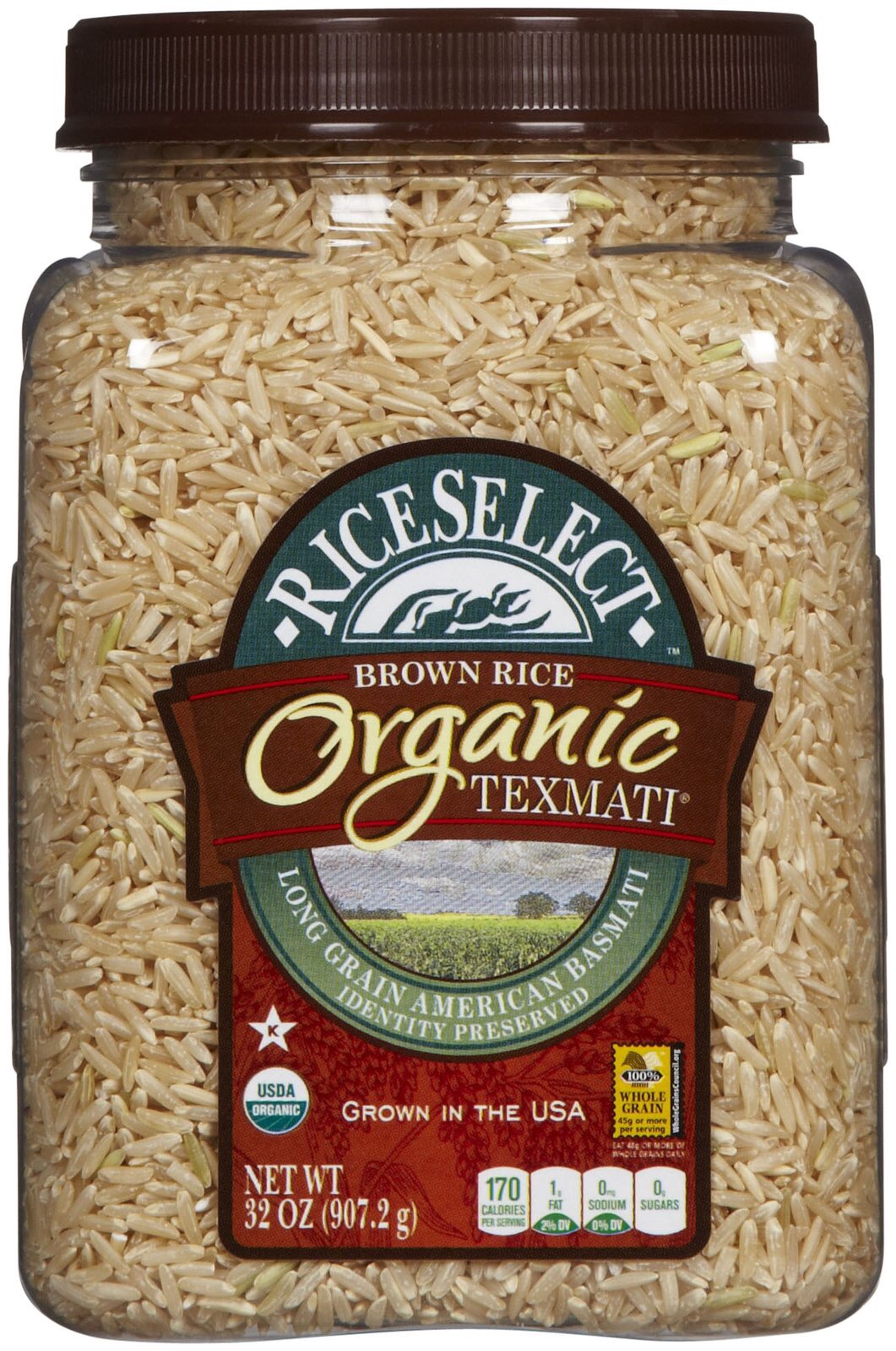
- Comment
- Reblog
-
Subscribe
Subscribed
Already have a WordPress.com account? Log in now.
 plantstrongblog